Tcg
The Craft: How Azuki TCG Is Made
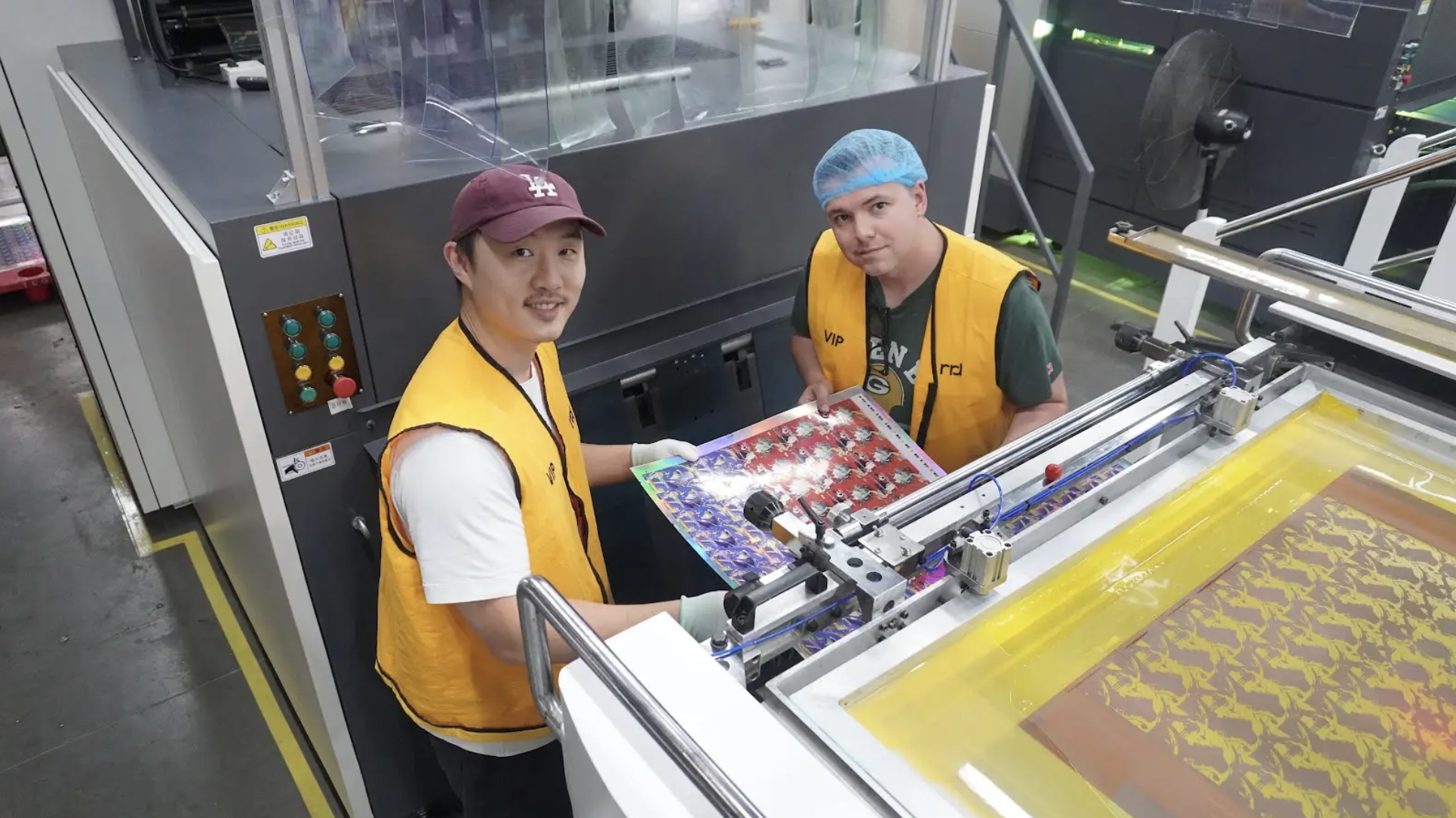
The bean foil on the Portrait Rare cards isn't foil at all. It's a process called cast and cure, it's been around since Hallmark used it on greeting cards in the 1970s, and putting it on a trading card took months of testing and a week of thirteen-hour days standing at a printing press in Shanghai.
That week is the part of a card game nobody sees. Corey is the person who lives in it. He's Azuki's head of print production, and he owns everything that happens to a card after the art is finished: the paper it's printed on, the foil that shines through it, the texture you feel under your thumb, and the pack it arrives in. In this article, we get an in-depth look at the print production behind Azuki TCG.
Corey
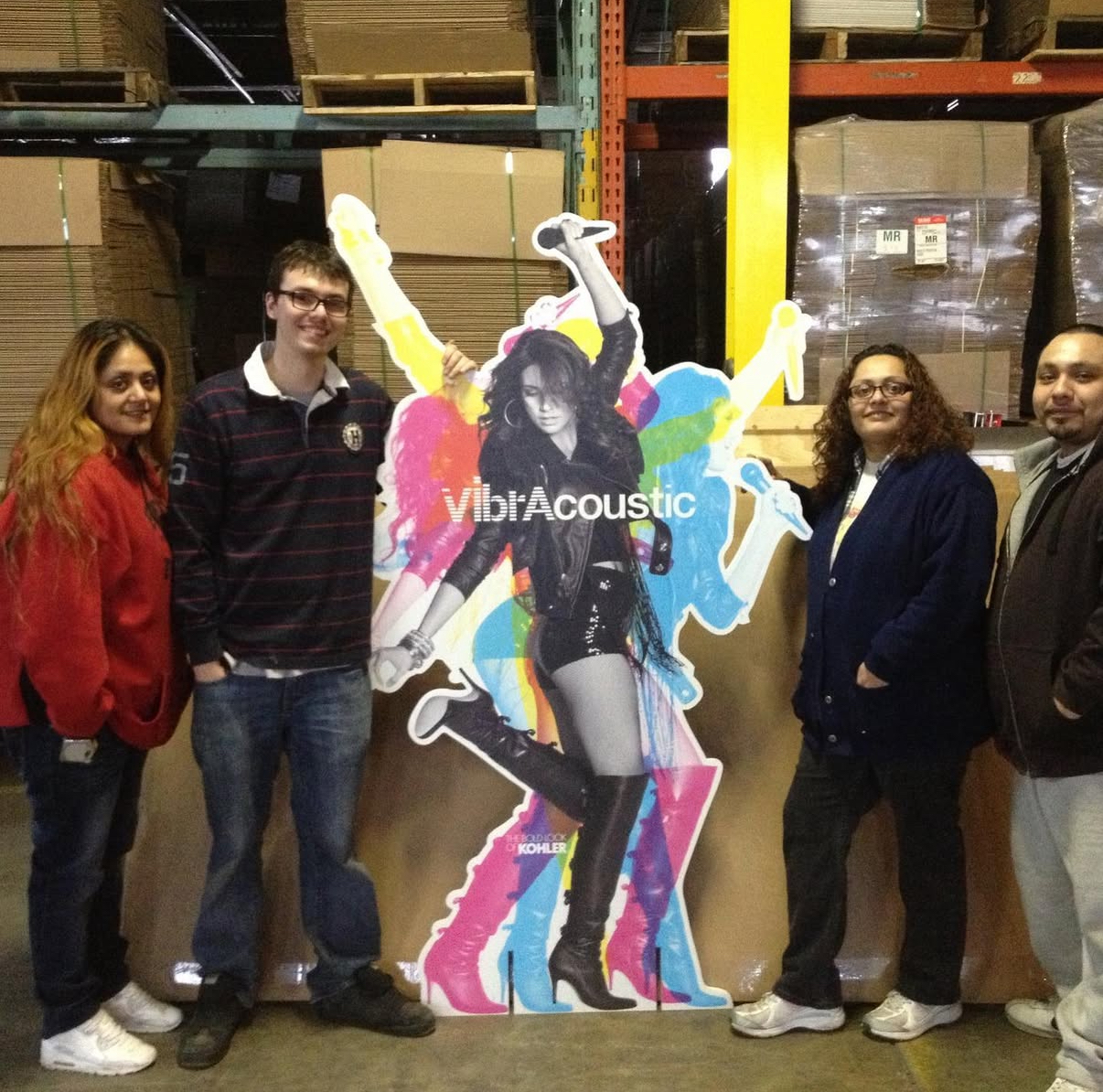
Corey learned printing the way a lot of lifelong printers do, on the floor rather than in a classroom. His father ran presses at printing companies across Chicago. His grandfather worked a paper mill in Wisconsin. His father-in-law worked corrugate, folding cardboard boxes. By 15 and 16, Corey was spending summers and winter breaks alongside his dad, packing out boxes on the line, running the press, running the die cutter.
The obsession never switched off. Corey will stand in a grocery aisle wondering why one box of pasta has a film window and the next one doesn't, and whether the seven cents that window costs earns its keep in extra sales. He reads physical magazines because they make him feel fancy. He carries a paper notebook because when he writes something down, he actually remembers it.
In March 2020, that obsession carried him to the Pokemon Company International. When he was hired, they told him Pokemon Go in 2016 had been the banner year, and they'd never top it. There was still a warehouse of unsold cards from that era they were trying to sell through.
He was in the office for two days before the pandemic sent everyone home.
"I had just moved across the country from Chicago to Seattle to start this job. And I'm just thinking to myself, am I okay here? Are people still even gonna buy Pokemon cards? Am I even gonna have a job?"
Then the market detonated. Unboxing videos, breakers, Logan Paul on YouTube. Quantities tripled and quadrupled month over month while the supply chain collapsed underneath them. Ports shut down. The paper from Germany stopped arriving. The foil from Taiwan stopped arriving. Printers were sent home unless they were deemed essential.
Corey's team kept the line running by blending five and six different paper stocks into a single card run, doing the same juggling act with foil, working 12, 14, 16 hour days. They met the demand. It remains the most intense stretch of his professional life, and it's why very little rattles him now.
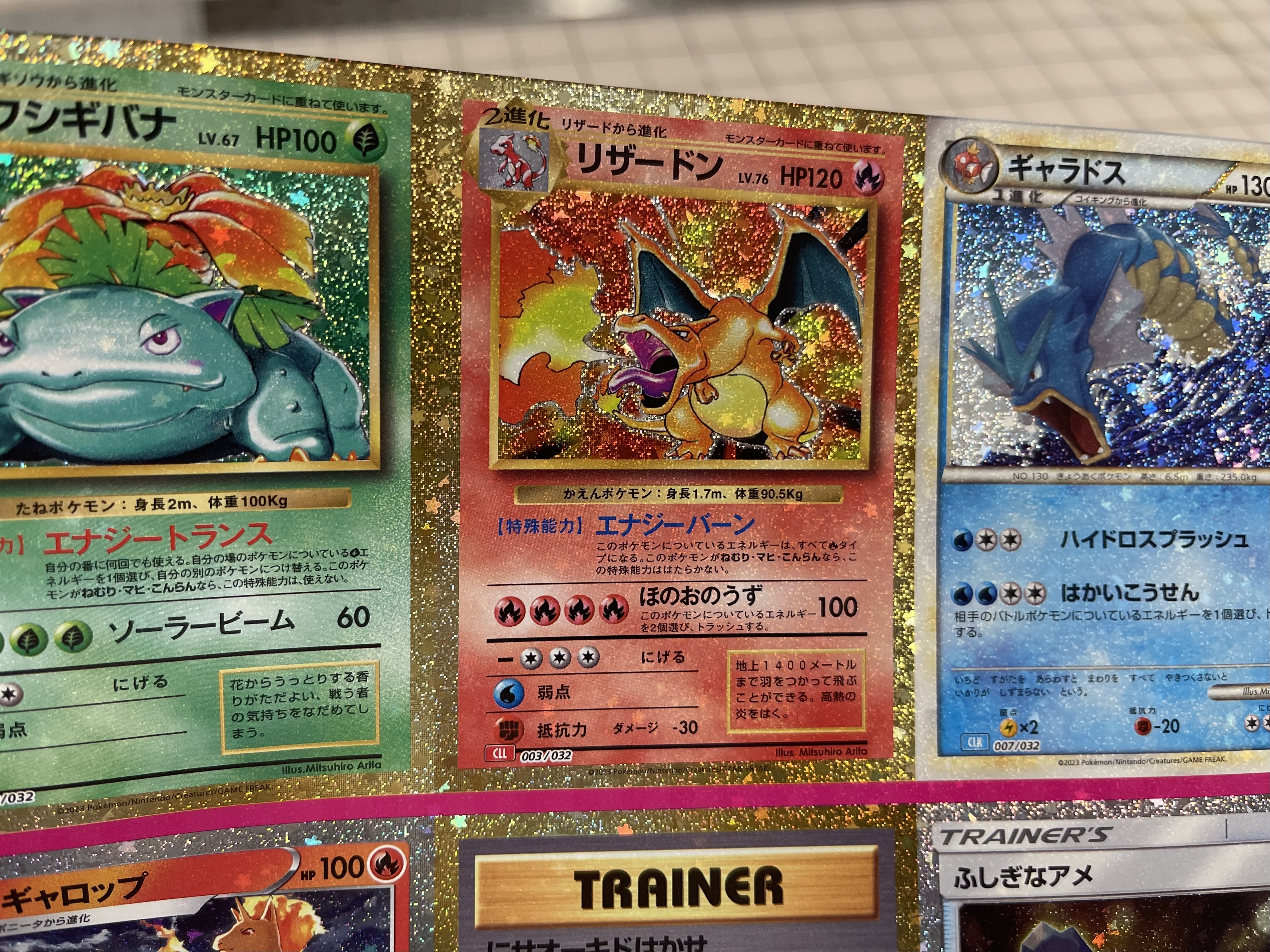
Here's the twist: Corey isn't really a card guy. He collected Pokemon as a 90s kid, aged out when society told him to, and came back to the category as a printer, not a player. He considers that his edge.
"This is a job that needs to be done, and it's very technical, and it's very important to get it right. So we just need to get it right."
He wasn't alone in that. The head card designer at Pokemon had a giant spiky mohawk, tattoos head to toe, and spent his free time on skateboarding and punk rock. Pokemon wasn't his thing outside the office. Inside it, he did some of the best card design in the world. Craft, not fandom, is what holds the standard up.
The Process
Corey calls Azuki his dream job, then immediately covers himself.
"And I'm not just saying this because Z's probably watching this."
The real reason is the brief he was handed. "The team has such a strong vision of what this should be, and it's quality at the top. It's not even close what the next thing is. It's just quality, quality, quality."
His job is to build a supply chain that can deliver that. If a card needs a particular paper because it's the best, he sources it. If it needs a particular machine to lay down a texture, he finds the shop that runs it. Fifteen years of printer and supplier relationships means many of those doors open on the first knock.
He's clear about the division of labor. He doesn't expect Tim or Jon to know what a reverse UV process is or which plate lays down a specific gloss. That's his job. Their job is to point at something beautiful and ask how it's done. His is to already know the person who can make it.
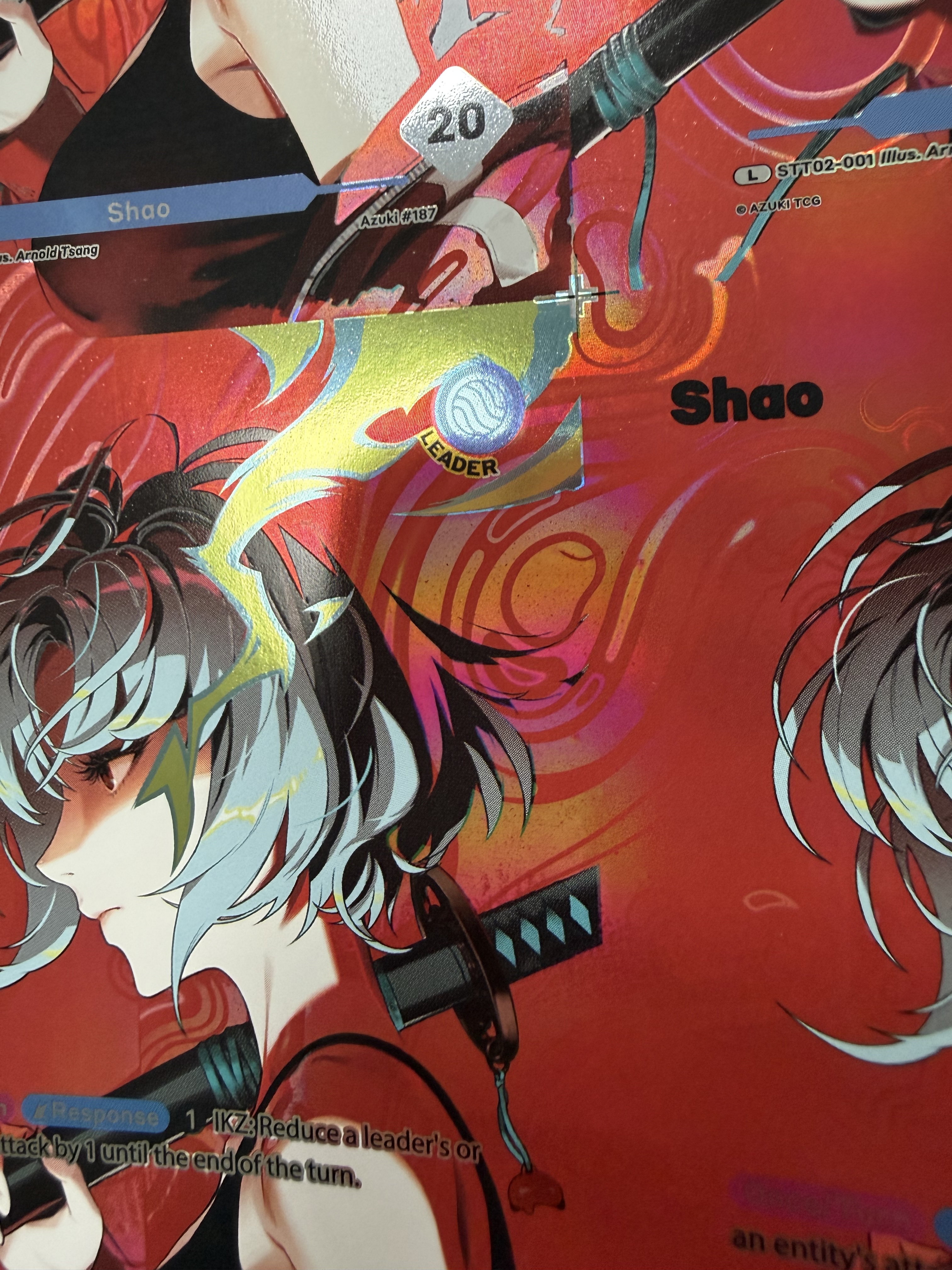
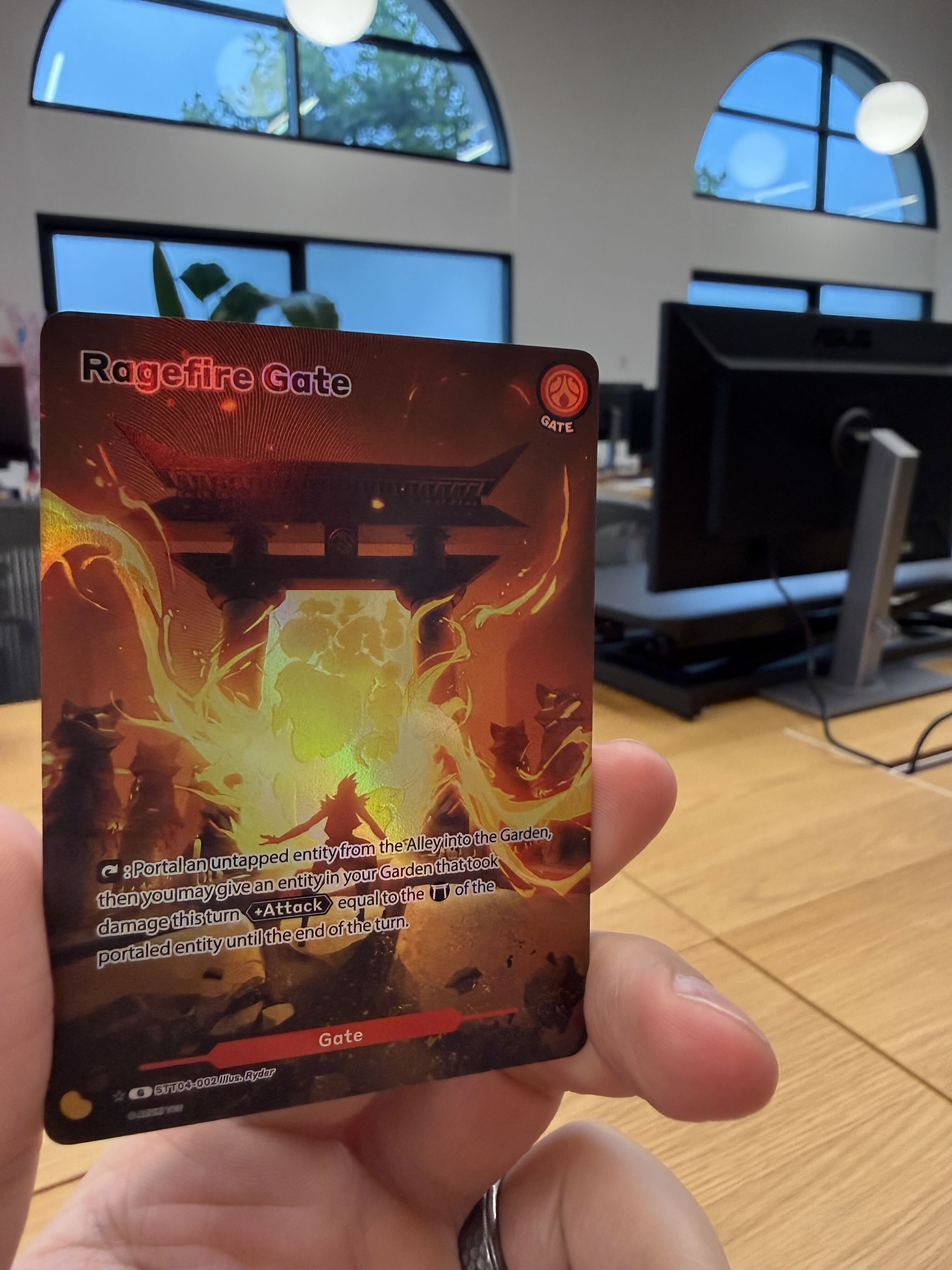
The bean foil is the clearest example of that handoff. Tim and the creative team designed the pattern. Corey found the process that could put it on a card. On a Portrait Rare, a rainbow foil already shines up through the whole design. Bean foil is a separate, final pass on top. The press lays down a wet gloss coating, then a film carrying a mirrored version of Tim's pattern presses into the wet coating and stamps the image in. Once it cures, the surface holds a micro emboss: thousands of microscopic bubbles, each one bending light back and forth. That's the shimmer.
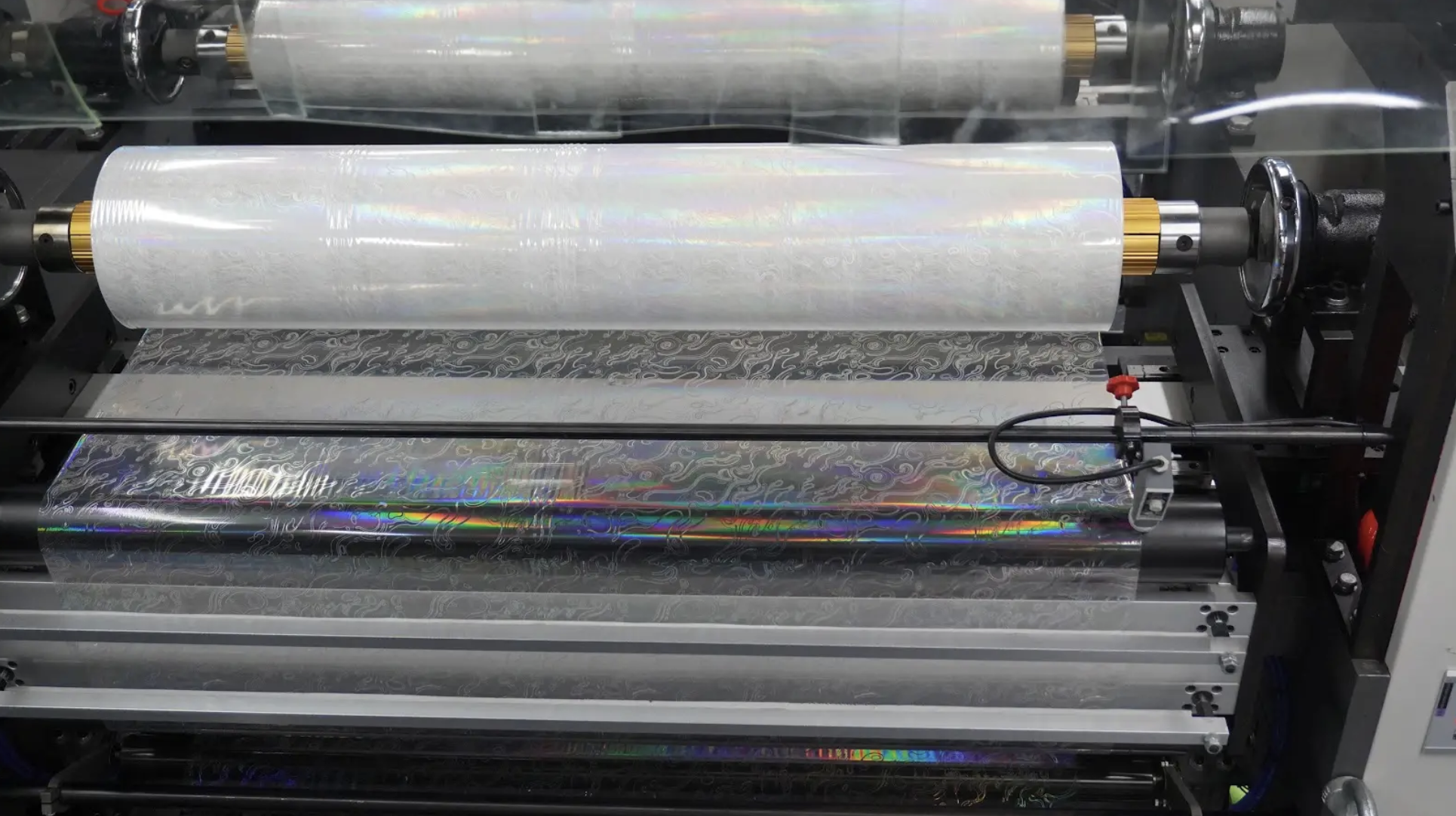
Bean Foil, Cast and Cure Micro Emboss
Production starts with an RFQ. Corey, Tim, and Jon talk through the set, how many packs, the rarities, the new materials, and Corey distills it into printer speak that goes out to global printers to bid on. That step keeps costs honest. Lately it also surfaces a harder problem: the trading card market is running so hot that manufacturing capacity is scarce everywhere.
"We sent our RFQ for Gates Awakened out to eight vendors, and five of them replied that they had no capacity."
Once pricing and capacity are locked, proofing begins. A PDF proof checks content. A simulated physical proof checks the white ink, the foil, the registration. But a proof never comes off the exact machine that runs the final job.
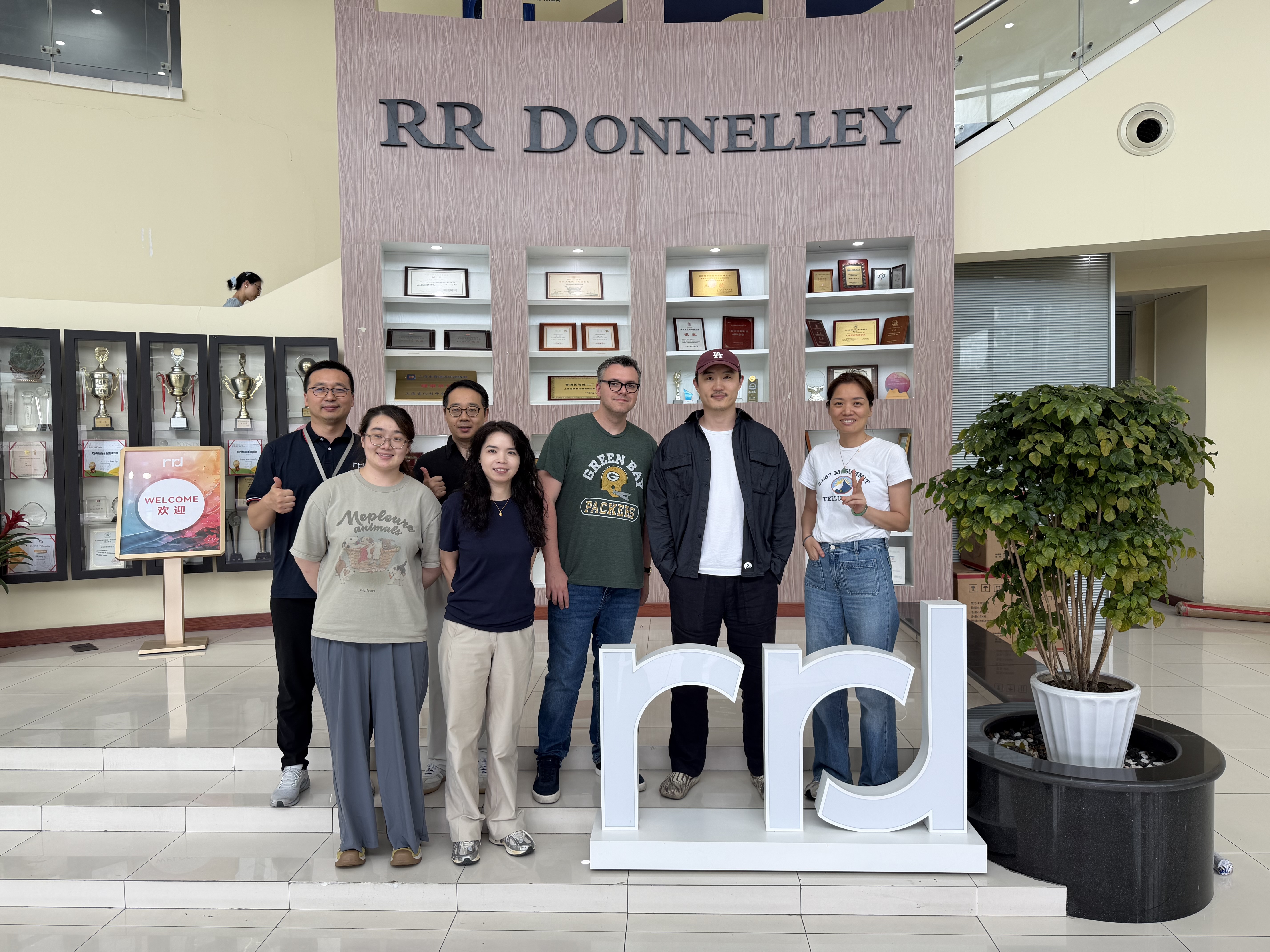
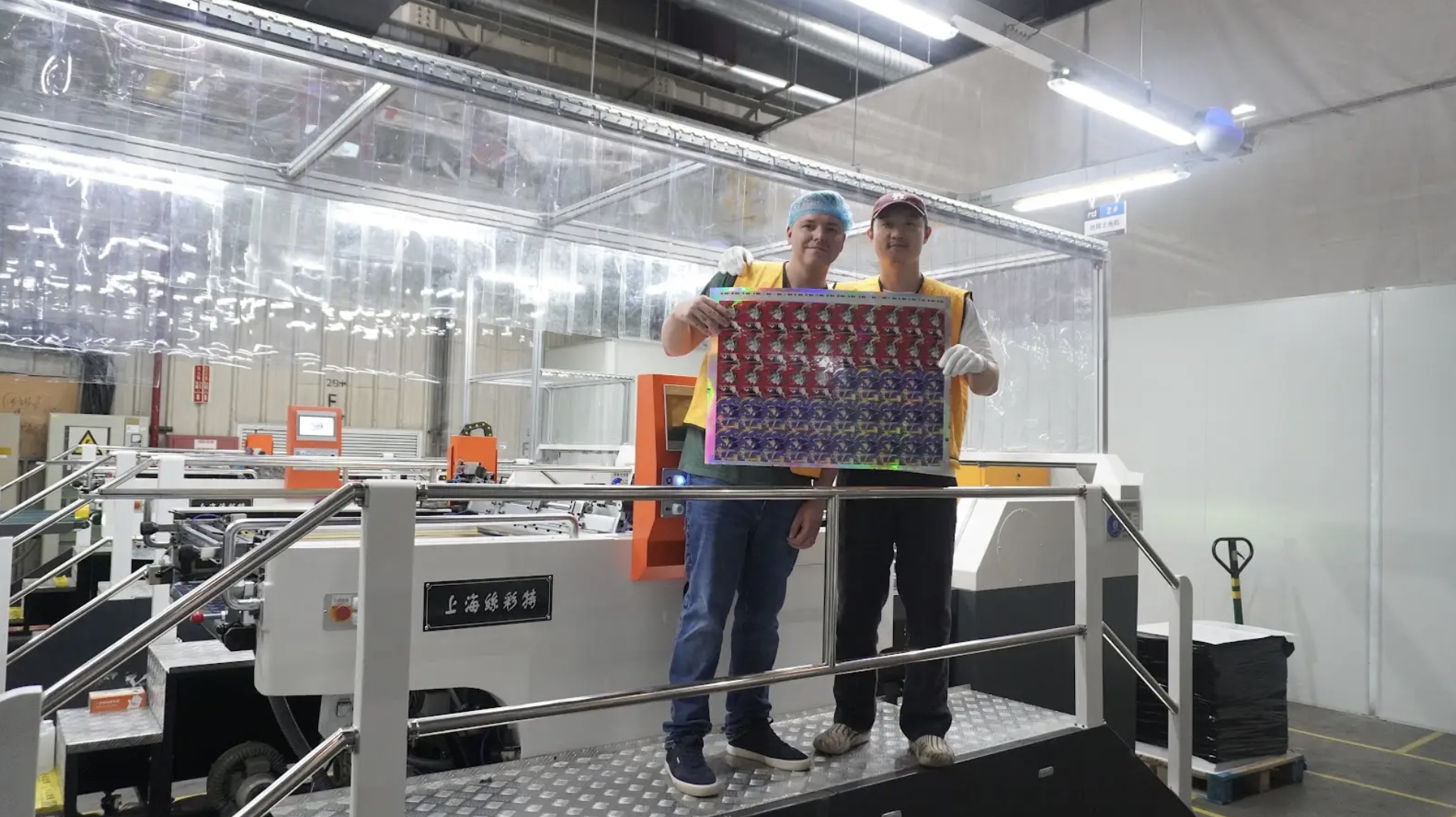
So the team went to the machine. They spent a week and a day on press in Shanghai, at a printing press about the length of five conference rooms, working 12 and 13 hour days. They inspected every single card across eleven card forms plus five more for the starter decks: registration, color accuracy, layering mistakes like a stray shadow or a sliver of white ink out of place. When they caught an error, and they caught several, from the printer's side and their own, they stopped the machine, pulled the printing plates, and re-burned new ones.
Collation got the same treatment. Open enough new products and you start to feel a rhythm, a predictable streak where every fourth or fifth pack carries the hit. Corey worked directly with the printer's programmer to make sure Azuki's rarity plan is honored with no discernible pattern and no guaranteed placement. When an early streak did appear, the fix was to have line workers double-mix packs before boxing. To confirm it, the team opened five full cases by hand.
"It was fun for maybe the first 10 minutes. But after about minute number 50, I was ready to be done with it."
They kept opening. It had to be right.
The timeline from there is not what you'd guess. The actual printing takes about three days. Slitting, round cornering, packaging, and collation take another week. Then the entire run is palletized, loaded onto an ocean vessel, and spends a month at sea, because air freight at that volume is out of the question. The single longest stage of making a trading card is the boat.
Banana Cards
Everything Azuki does in production flows from one structural fact: it's small, and Corey treats that as a gift.
A facility like Pokemon's can run three shifts across 32 lines and produce a hundred million packs in a month. At that volume, even a one percent error rate, tight by any manufacturing standard, puts a million flawed packs into the world. Nobody can look at every card at that scale.
Azuki can. So it does.
The etch texture on the cards is applied on an offline screen printer at one fifth the speed of a high-volume line. Slower is the point. It's what keeps the etched lines fine, straight, and crisp instead of bleeding together. A giant printing an expansion against a three-month clock has to be built for speed, and speed forces compromises. Being small enough to go slow is the whole advantage, and it matters double for Azuki because the cards are art first. There's no gold on silver on cracked ice piled onto the design. The texture is often the only embellishment on the card, so it has to be perfect.
Then there's curl, the quiet enemy of every foil card. At Pokemon they called them banana cards, because that's the shape. The physics are simple: a foil card is unbalanced. The front carries laminated glue and foil that pull the card into a bend, and if nothing on the back pulls against it, it bends. (Corey's home remedy, if you have one: leave it in sunlight, and as the adhesive relaxes the card flattens back out.)
You can't eliminate curl, but you can fight it. Azuki lays a heavy gloss UV on the back of the card to build tension and balance the sheet, then prints on a noticeably thicker stock, which is also where that satisfying snap comes from when you play a card.
The same intent runs through details most people will never consciously notice. The booster wrapper is thinner and easier to open, so fewer cards get nicked on the way out. Centering and round cornering are tightened by fractions of a millimeter, because half a millimeter off is something players genuinely see. The starter decks are built retail-ready by people who have worked retail, down to the die-cut feet that keep the box upright in a display tray and the peg hole that lets it hang on a shelf.
All of it was the assignment. When Corey joined early this year, Tim and Jon sent him a care package of alpha boxes with a simple brief: these are good, now raise the bar. His honest reaction was that the alpha cards were already strong, maybe 80 percent of the way to the standard. The remaining 20 percent became a written quality standard that names the exact machines the vendor must use for Azuki's printing and embellishments.
What that buys the first set: no predictable pack streaks, thicker and nicer paper, tighter centering and cornering, an easier wrapper. And for presale buyers, a packaging surprise the team hasn't shown anywhere yet, built to be worth keeping long after the wrapper is off.
What's Next
The bar set by presale and Gates Awakened is high enough that the team is already designing the answer to it. Bean foil raised the ceiling, so the next set has to clear it, and Corey, Tim, and Jon are already cooking up the treatment that will. He has a long list of ideas, some tried before in cards, some never seen on a card anywhere.
That's what lights him up. Not the hype, not the resale charts. The chance to make something genuinely new, held to a standard where every single card gets looked at, for the collector and the player alike.
"We're here to make really cool stuff. Nothing's gonna stop us."
Download the Azuki TCG app for iOS here or on Android here.
Follow @AzukiTCG on X for updates.